
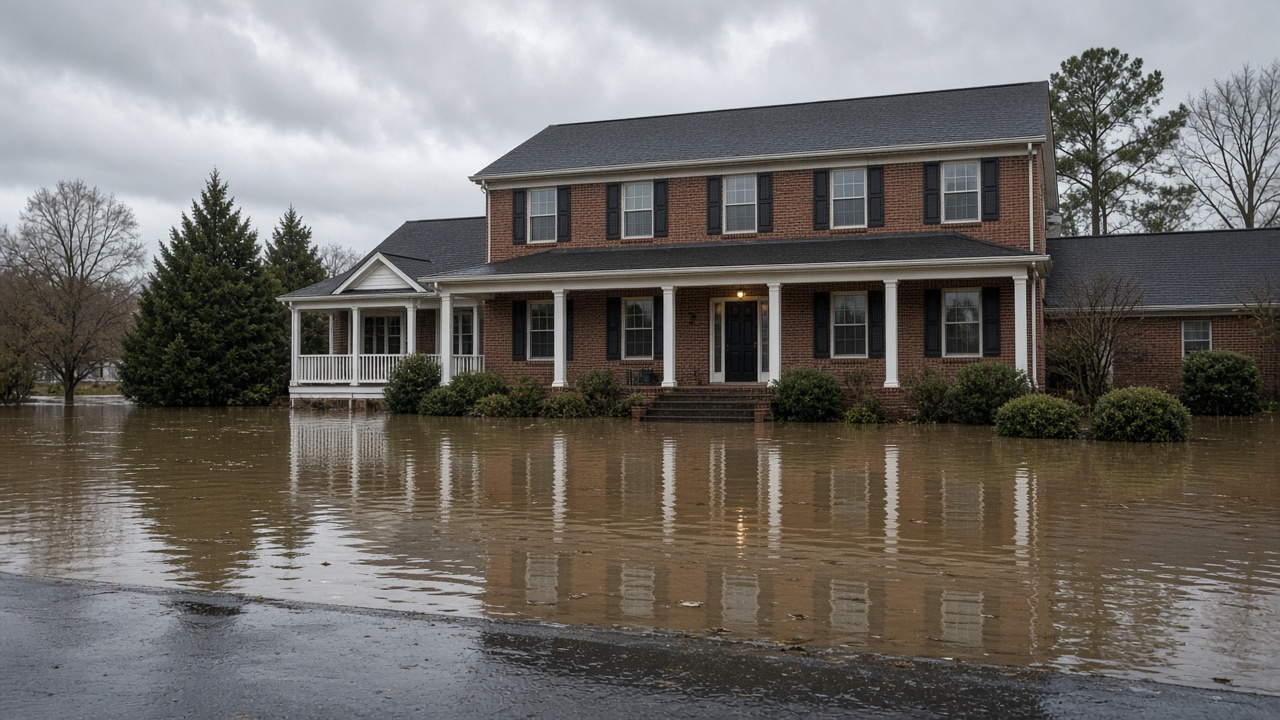
Get Flood Insurance quotes from our specialists!
Deep River Insurance
What is flood insurance and who needs it?
Many homeowners mistakenly believe their standard property policy protects them from water damage caused by rising bodies of water, heavy rainfall, or storm surges. In reality, traditional home policies specifically exclude this peril. To protect your home and belongings from these events, you must purchase a separate policy specifically designed for water inundation. This coverage is essential because it pays for structural repairs, replacing damaged electrical systems, and restoring lost personal property like furniture and appliances after a disaster strikes.
You might think you only need protection if you live directly on the coast or in a designated high-risk zone. However, water events can happen anywhere, often miles away from the nearest beach or river. Inland areas are frequently affected by sudden heavy rainfalls that overwhelm local drainage systems. According to UNC News, a UNC study found that 43% of flooded buildings were outside FEMA-mapped high-risk zones between 1996 and 2020. This means nearly half of the affected property owners were living in areas considered low or moderate risk.
Whether you reside in a coastal community or further inland, securing proper protection is a vital step for your financial security. Anyone who owns property or rents a home should seriously evaluate their risk. Renters can obtain contents-only policies to protect their personal belongings, while property owners need building coverage to safeguard their physical structure. Given the unpredictable nature of modern weather patterns, having a dedicated plan in place ensures you will not have to drain your savings or rely solely on limited federal disaster assistance to rebuild your life.
It is also important to understand that waiting until a storm is forecasted is usually too late. Most policies require a waiting period before taking effect, meaning proactive planning is necessary. By evaluating your local geography, understanding historical water levels, and reviewing your current financial ability to recover from a total loss, you can make an informed decision. Ultimately, securing this financial safeguard provides peace of mind, knowing that your most valuable assets are shielded from unpredictable weather events.

What is a real-world example of protection in North Carolina?
Recent weather events provide a stark reminder of how devastating water damage can be and why having adequate financial protection is critical. A prime example occurred recently when a massive storm system swept through the region, bringing unprecedented rainfall and overflowing rivers. The destruction was catastrophic, leaving entire communities submerged and families displaced from their homes. During this event, we saw firsthand how the lack of proper coverage left many residents facing insurmountable rebuilding costs. The sheer volume of water overwhelmed local infrastructure, proving that even areas not typically prone to standing water can become disaster zones overnight.
The impact of Hurricane Helene in 2024 was particularly severe. According to Wikipedia, Hurricane Helene caused more than $59.6 billion (2024 USD) in damage. Families lost everything, and the physical toll on housing was immense. A report from NCLocal stated that around 2,390 homes had major damage in 2024. Despite the staggering level of destruction, a shockingly low number of victims had a policy in place to help them recover.
| Hurricane Helene Impact (2024) | Reported Figure | Source |
|---|---|---|
| Total Economic Damage | Over $59.6 billion (2024 USD) | Wikipedia |
| Homes with Major Damage | Around 2,390 homes | NCLocal |
| FEMA Applicants with Coverage | 5.2% | Coverage Classroom |
The gap between the damage caused and the financial safety nets in place was alarming. According to Coverage Classroom, after Hurricane Helene, only 5.2% of FEMA aid applicants with verified flood damage had flood insurance in 2024. Those without a policy were forced to rely on limited federal grants or take out loans to repair their homes. Conversely, those who were insured had a much smoother recovery process. Data from Insurify shows that the average NFIP claim in North Carolina is $24,600 in 2026.
Get a Quote
Provide us with your details, and we'll create a personalized quote designed specifically for your Flood Insurance needs.
How much does a policy cost?
When evaluating your options, understanding the financial commitment is a primary concern for most homeowners. The price of coverage depends on several factors, including your property’s elevation, its distance from water sources, the type of construction, and whether you choose a federally backed policy or a private market option. While costs vary, reviewing state averages provides a helpful baseline for budgeting.
There are two main avenues for securing this protection: the National Flood Insurance Program (NFIP) and private carriers. According to Insurify, the average annual cost of flood insurance through the NFIP in North Carolina is $925 per year in 2026. Alternatively, private policies can sometimes offer more competitive rates depending on your specific risk profile. Based on data from Statewide Flood Insurance, the median all-in private premium was $712 a year in 2025-2026.
| Provider Type | Average / Median Cost | Coverage Notes |
|---|---|---|
| National Flood Insurance Program (NFIP) | $925 per year (Average) | Backed by the federal government, available to most communities. |
| Private Market Policies | $712 a year (Median) | Often provides higher limits and broader coverage options. |
What should you consider when evaluating a policy?
Choosing the right protection requires careful consideration of policy limits, exclusions, and waiting periods. Not all policies offer the same level of security, so you must evaluate what is included in the contract. A standard federal policy is divided into two parts: building property and personal property. You must typically purchase both separately if you want complete protection for your home’s structure and your belongings inside.
One of the most critical limitations to be aware of involves maximum payout caps. If you have a high-value home, a standard federal policy might not be enough to fully rebuild. According to Statewide Flood Insurance, the NFIP caps building coverage at $250,000 in 2026. Furthermore, Statewide Flood Insurance notes that the NFIP caps contents coverage at $100,000 in 2026. If your property or belongings exceed these amounts, you may need to explore supplemental policies or private market alternatives that offer higher limits.
You should also be aware of strict exclusions and waiting periods. Most standard policies do not cover temporary living expenses if your home becomes uninhabitable. They also typically exclude damage to landscaping, swimming pools, decks, and property stored in basements. Additionally, federal policies usually enforce a 30-day waiting period from the date of purchase before the coverage becomes active. This means you cannot wait until a hurricane is named to buy a policy. Understanding these restrictions ensures you are not caught off guard when filing a claim and helps you decide if a private policy with fewer limitations better suits your needs.
Another factor to consider is the deductible structure. You will generally need to choose separate deductibles for the building and the contents portions of your policy. Selecting a higher deductible can lower your annual premium, but it also means you will have to pay more out of pocket before your benefits kick in. Balancing your monthly budget against your potential out-of-pocket risk is a crucial step in the decision-making process.

What other coverages typically pair with this policy?
Securing your property against water inundation is only one piece of the puzzle. To ensure full financial security, property owners typically bundle multiple types of protection. A standard homeowners policy is the most common companion, as it covers perils like fire, theft, and wind damage that are strictly excluded from water-specific policies. Because major storms bring both torrential rain and severe gusts, having both ensures you are protected regardless of how the damage occurs.
Additionally, full-coverage auto insurance is essential for protecting your vehicles from rising waters, as home policies never cover automobiles. Some homeowners also invest in separate windstorm policies if their primary home policy excludes wind damage, which is common in coastal regions. Review the table below to see how these different policies work together to create a robust safety net.
| Insurance Type | What It Covers | Relationship to Water Inundation Policies |
|---|---|---|
| Standard Homeowners | Fire, theft, liability, and internal water damage (e.g., burst pipes). | Fills the gap for non-weather water events and general perils. |
| Windstorm Coverage | Damage caused by high winds, hurricanes, and tornados. | Essential for storms that bring both heavy rain and destructive winds. |
| Comprehensive Auto | Physical damage to vehicles from weather, theft, or rising water. | Protects vehicles, which are completely excluded from property policies. |
What are key statistics and trends in the area?
The changing climate and rapid coastal development have significantly impacted weather trends and property risks in the region. Over the past decade, we have witnessed an increase in the frequency and severity of major storms. These weather events bring massive amounts of precipitation, overwhelming rivers and urban drainage systems alike. As a result, the financial toll on property owners and local governments has climbed exponentially, making risk management a top priority for state officials.
The economic impact of these storms is staggering. According to Insurify, hurricanes and flooding account for $310 million in annual property damage in the state in 2026. This massive figure highlights the sheer destructive power of these weather systems and underscores the urgent need for widespread financial protection. Despite the clear and present danger, a significant portion of the population remains uninsured against these specific perils, exposing them to potential financial ruin.
Policy adoption rates show that while many recognize the risk, there is still a wide coverage gap. Based on data from Statewide Flood Insurance, the state has roughly 131,000 NFIP policies in force in 2026. While this represents a substantial number of protected properties, it pales in comparison to the total number of homes at risk across the state. The trend indicates that while coastal residents are highly likely to purchase protection, inland residents often underestimate their vulnerability. Educating the public about the hidden risks of inland water events remains a critical challenge for the industry.
Moving forward, experts predict that premiums may fluctuate as the federal government updates its risk rating methodologies. These changes aim to price policies more equitably based on individual property risk rather than broad geographical zones. As these trends evolve, property owners must stay informed to ensure they maintain adequate and affordable protection.
How can you get a quote today?
Given the unpredictability of severe weather, nearly every property owner and renter should consider securing this vital protection. If it rains where you live, you are at risk. Homeowners need it to protect their largest financial asset, while renters need it to ensure their furniture, electronics, and clothing can be replaced after a disaster. Business owners also require commercial policies to protect their inventory, equipment, and physical storefronts from catastrophic water damage.
Navigating the complex world of deductibles, limits, and private versus federal options can be overwhelming. That is where our expertise comes in. We help hundreds of customers with flood insurance in North Carolina every single year. Our dedicated team understands the unique geographical challenges of the area and can help you identify the most cost-effective solutions for your specific property. We take the time to explain the fine print so you know exactly what is and isn’t covered.
We pride ourselves on delivering exceptional customer service and transparent advice. We have a highly rated Google My Business page, reflecting our commitment to honesty, reliability, and client satisfaction. Our agents work with multiple carriers to ensure you get the best possible rate without sacrificing the quality of your protection. We believe that everyone deserves peace of mind without feeling pressured into a sale.
If you are ready to safeguard your home and financial future, reaching out is simple. We can offer quotes without any sort of obligation, allowing you to review your options comfortably. Contact us today to speak with a licensed professional who will guide you through the process, answer all your questions, and provide a customized plan tailored to your needs.

Get a Quote
Submit your details, and our friendly team will reach out to you shortly!